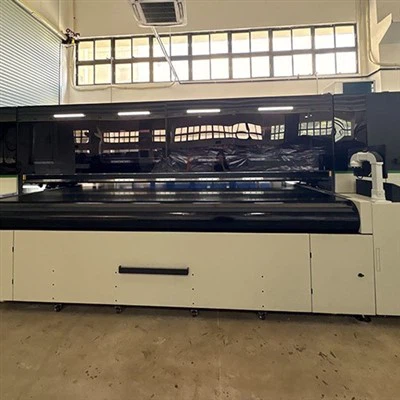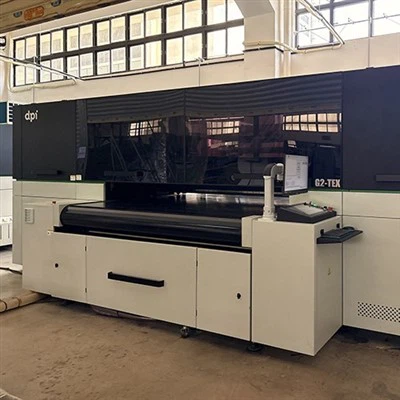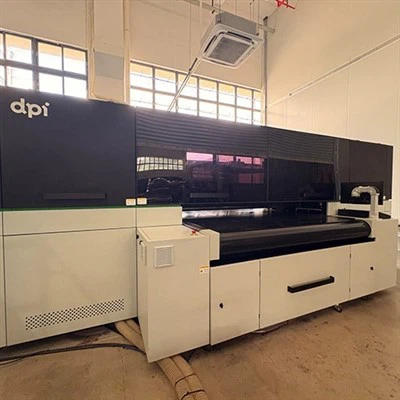


Digital glazing machines, with their precise control and intelligent adjustment, have significantly improved glaze uniformity and process stability in ceramic production. However, to fully utilize their performance, operators need to master several key details in daily use. This article provides practical tips on equipment preparation, parameter settings, process monitoring, maintenance, and safety precautions to help improve work quality and extend equipment life.
I. Equipment and Environmental Preparation
Before starting the machine, check the nozzle atomization system, glaze supply pipeline, and sensor status according to the procedures to ensure there are no blockages, leaks, or calibration deviations. The glaze slurry must be sieved and viscosity tested to avoid affecting the atomization effect due to particulate impurities or inconsistent viscosity. The construction environment should be kept clean, and the temperature and humidity should be controlled within the equipment's recommended range to reduce interference from dust and moisture on glaze adhesion. The ground should be flat and have good drainage to prevent glaze slurry accumulation and secondary pollution.
II. Precise Parameter Setting and Verification
Based on the material, shape, and glaze characteristics of the workpiece, select or re-verify key parameters such as glazing speed, nozzle height, atomizing pressure, and flow rate. Before the first batch glazing, it is recommended to conduct a small-scale test to check the glaze thickness and uniformity to ensure compliance with quality requirements. For irregularly shaped or curved workpieces, the nozzle path and orientation should be planned reasonably. If necessary, multi-axis linkage or rotating fixtures should be used to prevent missed areas or excessive thickness in certain areas.
III. Strengthen Process Monitoring and Recording
During the glazing process, pay close attention to the pressure, flow rate, and nozzle status data fed back by the equipment. If any abnormalities are found (such as pressure fluctuations, uneven atomization, or nozzle blockage), stop the machine immediately for investigation and record the cause. Data traceability can quickly locate process deviations and avoid batch defects. It is recommended to regularly sample and inspect the appearance and thickness of the glaze layer to ensure batch consistency.
IV. Emphasize Equipment Maintenance and Cleaning
After each operation, drain the residual glaze slurry according to the procedure and perform the cleaning procedure for the nozzles and pipelines to prevent the glaze from drying and clogging the nozzles. When the machine is to be shut down for an extended period, ensure proper sealing and moisturizing of the spray nozzles to prevent performance degradation. Regularly calibrate sensors and inspect pneumatic components to maintain the equipment in good operating condition.
V. Strictly Adhere to Safety and Environmental Protection Regulations.
Wear protective gloves, goggles, and dust masks during operation to avoid skin contact with glaze or inhalation of dust. Waste glaze and cleaning fluid should be collected separately and disposed of by a professional organization to prevent environmental pollution. Ensure the electrical and pneumatic systems of the equipment are properly grounded and that pressure protection devices are effective to eliminate potential safety hazards.
In summary, following these tips will ensure efficient, stable, and safe operation of the digital glazing machine in daily use, improving product quality and guaranteeing long-term reliable service.