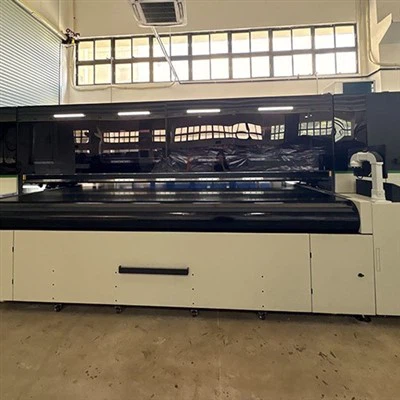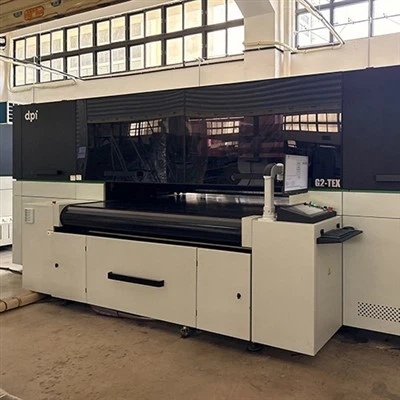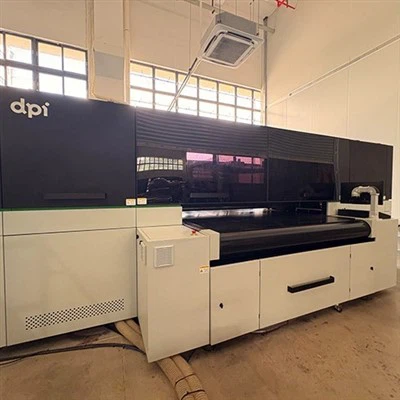


In the process of ceramic manufacturing moving towards refinement and intelligence, digital glazing machines, as key equipment for achieving uniform glaze layer, controllable thickness, and stable processes, directly affect the appearance and physicochemical properties of the finished product. Establishing and strictly implementing scientific application standards not only standardizes operating procedures and reduces defect rates but also fully leverages the digital advantages of the equipment, improving production consistency and traceability.
Application standards first cover the preparation requirements for equipment and the environment. Before glazing, a comprehensive inspection of the digital glazing machine should be conducted, including the calibration status of the nozzle atomization system, glaze supply pipeline, pressure sensor, and flow controller, ensuring that all parameters are within the reference range specified by the equipment manufacturer. The glaze slurry must be sieved and its viscosity measured to ensure that its particle distribution and flowability meet the requirements of the process card. The application environment should be kept clean, and the air temperature and humidity should be stable within the equipment's allowable range to avoid dust or moisture affecting glaze adhesion and atomization. The floor and workbench should be flat and non-slip, and necessary ventilation and drainage facilities should be provided to prevent possible glaze spillage.
The operational standards emphasize the precision and consistency of parameter settings. Based on the material, shape, and glaze characteristics of the substrate, key parameters such as glazing speed, nozzle height, atomizing pressure, and glaze flow rate should be retrieved from or re-verified in the process database. A small-scale test should be conducted during the initial glazing to confirm that the glaze thickness and uniformity meet the standards before mass production. For complex curved surfaces or irregularly shaped parts, multi-axis linkage or rotary fixtures should be used, and the nozzle posture and path planning should be adjusted based on the 3D model to prevent missed areas or excessive overlap. During glazing, equipment feedback data must be monitored in real time. Any pressure fluctuations, abnormal flow rates, or nozzle blockages should be immediately stopped, addressed, and recorded.
Quality inspection standards should be maintained throughout the entire process. After glazing, the glaze appearance must be visually inspected and tested using instruments within a specified timeframe, focusing on color uniformity, pinholes, runs, and edge coverage. Thickness measurements and adhesion tests should be performed according to sampling rules. All test data should be entered into the quality traceability system to create batch files for subsequent process review and improvement. Post-construction equipment cleaning and nozzle maintenance are also standard requirements. Residual glaze must be drained according to procedures, cleaning processes performed, and nozzles properly sealed to prevent drying and contamination.
Safety and environmental standards are essential components of the construction process. Operators should wear protective gloves, goggles, and dust masks to avoid direct skin contact with glaze or inhalation of dust. Waste glaze and cleaning fluids must be collected separately and disposed of by a professional organization to prevent environmental pollution. The electrical and pneumatic systems of the equipment must comply with factory safety regulations, and the effectiveness of grounding and pressure protection devices should be checked regularly.
In summary, the construction standards for digital glazing machines clearly define each stage, from equipment environment preparation and operating parameter execution to quality inspection and safety and environmental protection. This aims to ensure stable and controllable glazing quality through standardized processes and lay the foundation for process optimization and data-driven management in the context of intelligent manufacturing.