


In today's fast - paced digital age, our reliance on electronic devices has skyrocketed. From smartphones and tablets to laptops, these gadgets have become an integral part of our daily lives. With this increased usage comes the need for efficient charging solutions. Portable GaN (Gallium Nitride) chargers have emerged as a popular choice due to their compact size, high power output, and fast - charging capabilities. However, a common concern among users is whether a portable GaN charger can damage their devices. As a supplier of Portable GaN Chargers, I am here to address this question in detail.
Understanding GaN Chargers
Before delving into the potential risks, it's important to understand what GaN chargers are. Gallium Nitride is a semiconductor material that offers several advantages over traditional silicon - based chargers. GaN chargers can handle higher voltages and currents more efficiently, which translates to faster charging times. They also generate less heat, making them more energy - efficient and compact.
Portable GaN chargers come in various forms, such as GaN Charger for Laptops, Universal GaN Charger, and Travel GaN Charger. These chargers are designed to be versatile, capable of charging multiple devices simultaneously with different power requirements.
How Chargers Work and Device Protection
All modern electronic devices are equipped with built - in charging circuits and protection mechanisms. These mechanisms are designed to regulate the incoming power and ensure that the device receives the appropriate amount of voltage and current. When a charger is connected to a device, the device's charging circuit communicates with the charger to determine the optimal charging parameters.
For example, a smartphone may request a specific voltage and current based on its battery's state of charge. The charger then adjusts its output accordingly. This communication protocol is known as Power Delivery (PD) or Quick Charge, depending on the device and charger compatibility.
Can a Portable GaN Charger Damage My Device?
The short answer is that, when used correctly, a portable GaN charger should not damage your device. Here are the reasons:
1. Compatibility and Safety Features
Most high - quality portable GaN chargers are designed to be compatible with a wide range of devices. They support various charging protocols, such as USB - PD, Quick Charge, and others. These chargers also come with built - in safety features, such as over - voltage protection (OVP), over - current protection (OCP), and short - circuit protection (SCP).
Over - voltage protection ensures that the charger does not output a voltage higher than what the device can handle. Over - current protection limits the amount of current flowing into the device to prevent overheating and damage to the battery. Short - circuit protection immediately shuts off the charger if a short circuit is detected, protecting both the charger and the device.
2. Device - Side Protection
As mentioned earlier, devices have their own charging circuits and protection mechanisms. Even if the charger were to malfunction and output an incorrect voltage or current, the device's internal protection would kick in to prevent damage. For instance, if a charger were to supply too much voltage, the device's over - voltage protection would block the excess voltage and prevent it from reaching the battery.
3. Industry Standards
The charger industry is regulated by various standards and certifications, such as UL (Underwriters Laboratories), CE (Conformité Européene), and FCC (Federal Communications Commission). Chargers that meet these standards have undergone rigorous testing to ensure their safety and performance. When you purchase a portable GaN charger from a reputable supplier, you can be confident that it has been tested and approved to meet these industry standards.
Factors That Could Potentially Cause Damage
While the risk of damage is low, there are some factors that could potentially cause problems:
1. Counterfeit Chargers
The market is flooded with counterfeit chargers that claim to be GaN chargers but lack the necessary safety features. These chargers may not have proper over - voltage, over - current, or short - circuit protection. Using a counterfeit charger can pose a significant risk to your device, as it may output incorrect voltages or currents, leading to overheating, battery damage, or even fire.
2. Incompatible Devices
Although most GaN chargers are designed to be compatible with a wide range of devices, there may be some cases where a charger is not fully compatible with a particular device. For example, some older devices may not support the latest charging protocols and may not communicate properly with the charger. In such cases, the charger may not be able to adjust its output correctly, which could potentially cause problems.
3. Physical Damage
If the charger or the charging cable is physically damaged, it can pose a risk to your device. A frayed cable, for example, can cause a short circuit or expose the wires, leading to electrical hazards. Similarly, a damaged charger may malfunction and output incorrect voltages or currents.

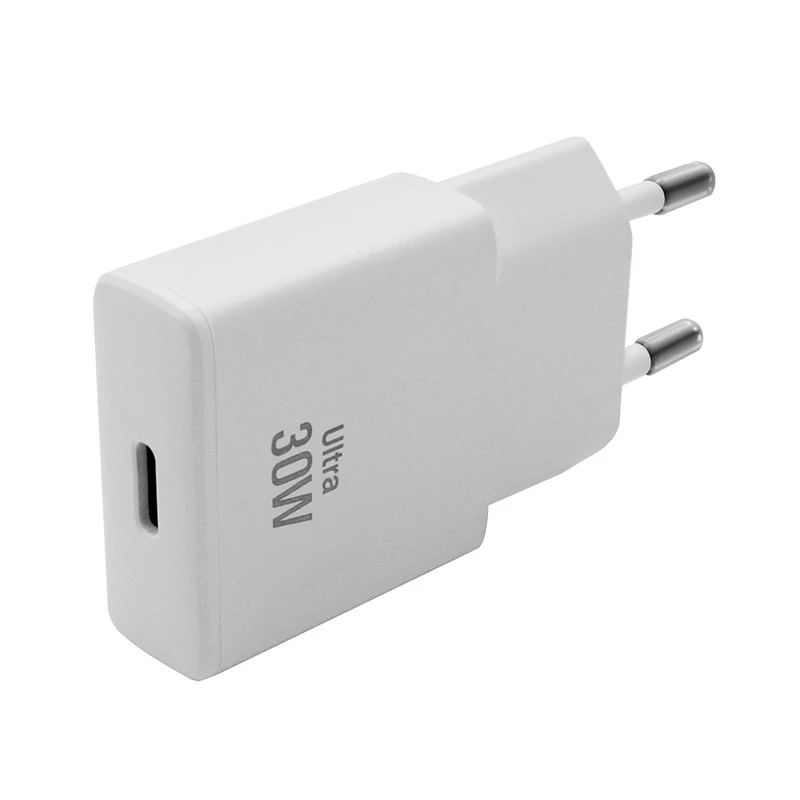
Tips for Safe Use of Portable GaN Chargers
To ensure the safe use of your portable GaN charger and protect your devices, follow these tips:
1. Purchase from a Reputable Supplier
Buy your portable GaN charger from a trusted supplier. Look for chargers that are certified by recognized standards organizations, such as UL, CE, or FCC. This will ensure that the charger has undergone proper testing and meets the necessary safety requirements.
2. Check Compatibility
Before using a charger with a new device, check the device's user manual or specifications to ensure that it is compatible with the charger. Make sure the charger supports the device's charging protocol and has the appropriate power output.
3. Inspect the Charger and Cable
Regularly inspect the charger and the charging cable for any signs of physical damage, such as frayed wires, cracks, or loose connections. If you notice any damage, stop using the charger immediately and replace it with a new one.
4. Avoid Extreme Conditions
Do not use the charger in extreme temperatures, such as in direct sunlight or in a very cold environment. Extreme temperatures can affect the performance of the charger and the device's battery. Also, avoid using the charger in wet or damp conditions, as this can increase the risk of electrical shock and damage to the charger and the device.
Conclusion
In conclusion, a portable GaN charger is a safe and efficient charging solution for your electronic devices when used correctly. High - quality chargers come with built - in safety features, and devices have their own protection mechanisms. However, it is important to purchase from a reputable supplier, check compatibility, and take proper care of the charger and the charging cable.
If you are in the market for a portable GaN charger, we are a leading supplier of high - quality chargers. Our chargers are designed to meet the highest industry standards and are backed by our commitment to quality and safety. Whether you need a GaN Charger for Laptops, Universal GaN Charger, or Travel GaN Charger, we have the perfect solution for you.
If you are interested in purchasing our portable GaN chargers or have any questions, please feel free to contact us for a procurement discussion. We look forward to serving you and helping you find the best charging solution for your needs.
References
- UL Standards for Safety, Underwriters Laboratories.
- CE Certification Guidelines, European Union.
- FCC Regulations, Federal Communications Commission.


